The recent reinstatement of a 25% tariff on imported steel...
Read More
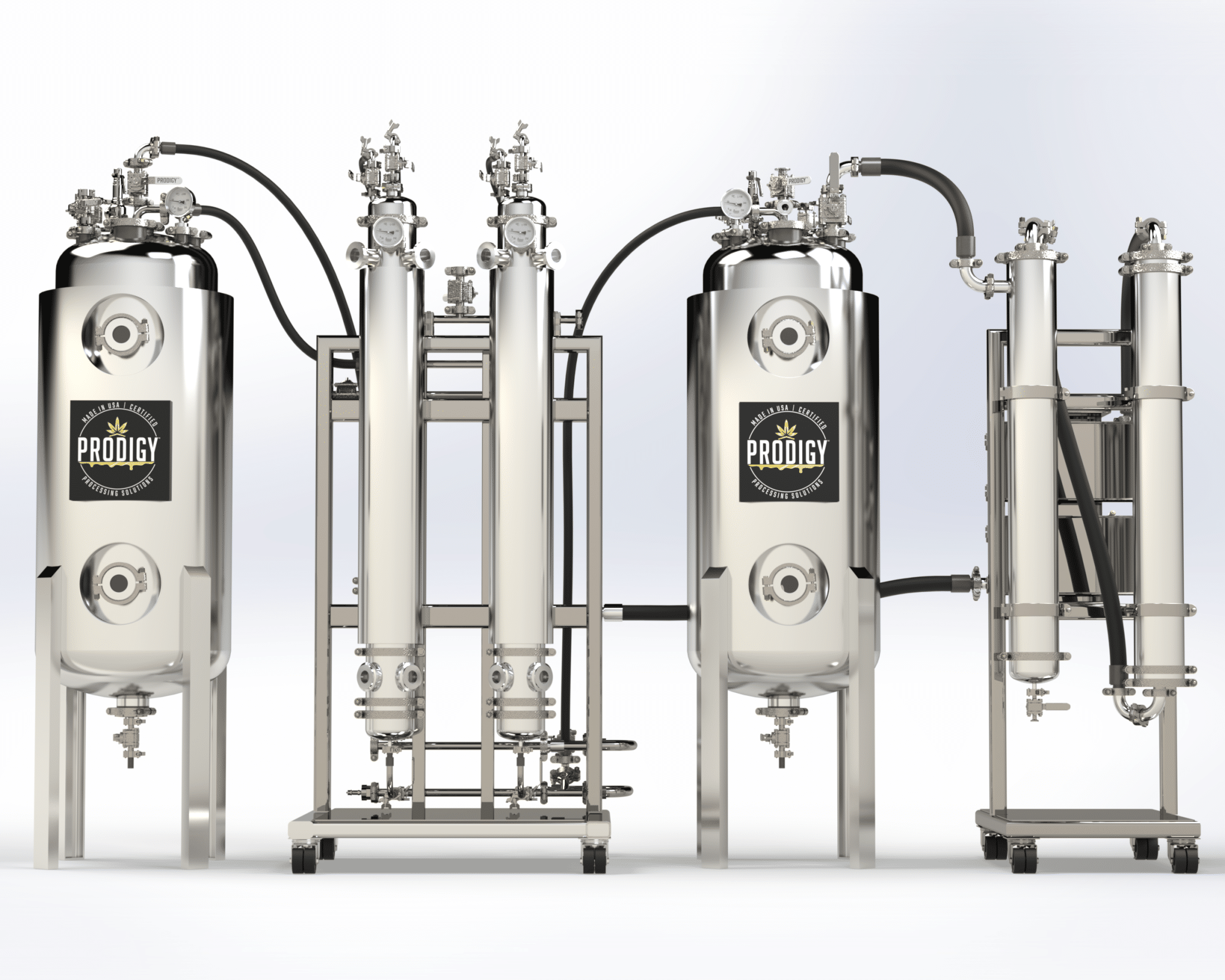
The cannabis extraction sector has advanced rapidly in the past decade, transforming from artisanal labs to highly engineered facilities that rival pharmaceutical production. Central to this transformation is an evolving understanding of how temperature and filtration govern extract quality, efficiency, and safety.
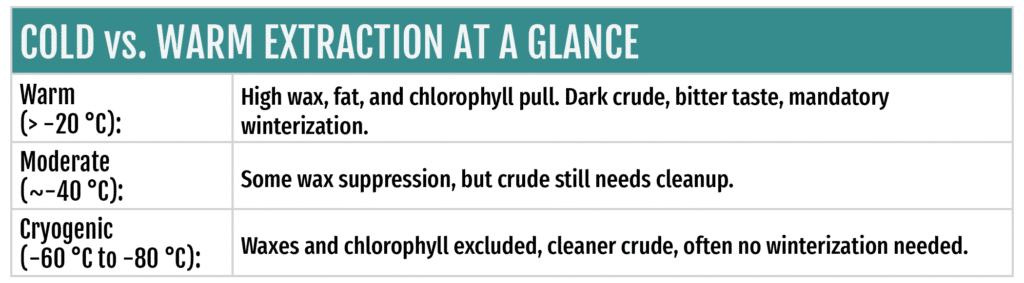
Temperature as a Selectivity Lever in Cannabis Oil Extraction
Hydrocarbon extraction — using solvents like butane and propane — is prized for its ability to preserve cannabinoids and terpenes. Yet hydrocarbons are not selective by default; they dissolve a wide range of plant compounds. Temperature is the critical lever that determines what comes along for the ride.
Cold vs Warm Cannabis Extraction
Chlorophyll and Organoleptics (What you Don’t Want!)
Chlorophyll is among the most problematic impurities. Its molecular structure — a porphyrin ring with a magnesium ion at the center — makes it strongly pigmented and prone to imparting harsh flavors. Even small amounts produce a green or brown tint in crude oil. In sensory terms, chlorophyll introduces bitterness and acridity, masking delicate terpene notes. At -60°C and colder, its solubility falls off steeply, effectively excluding it from the extract.
Filtration: Beyond Cool
While temperature suppresses many impurities, it cannot address everything. Even at 70 °C or colder, extracts may carry fine plant particulates, carotenoids, trace phospholipids, and oxidized terpenes. In-line filtration adds another layer of cleanup. Sintered metal disks trap debris, while mixed-media filters (CRC) adsorb pigments, trace lipids, and oxidized molecules.
Pesticide Remediation
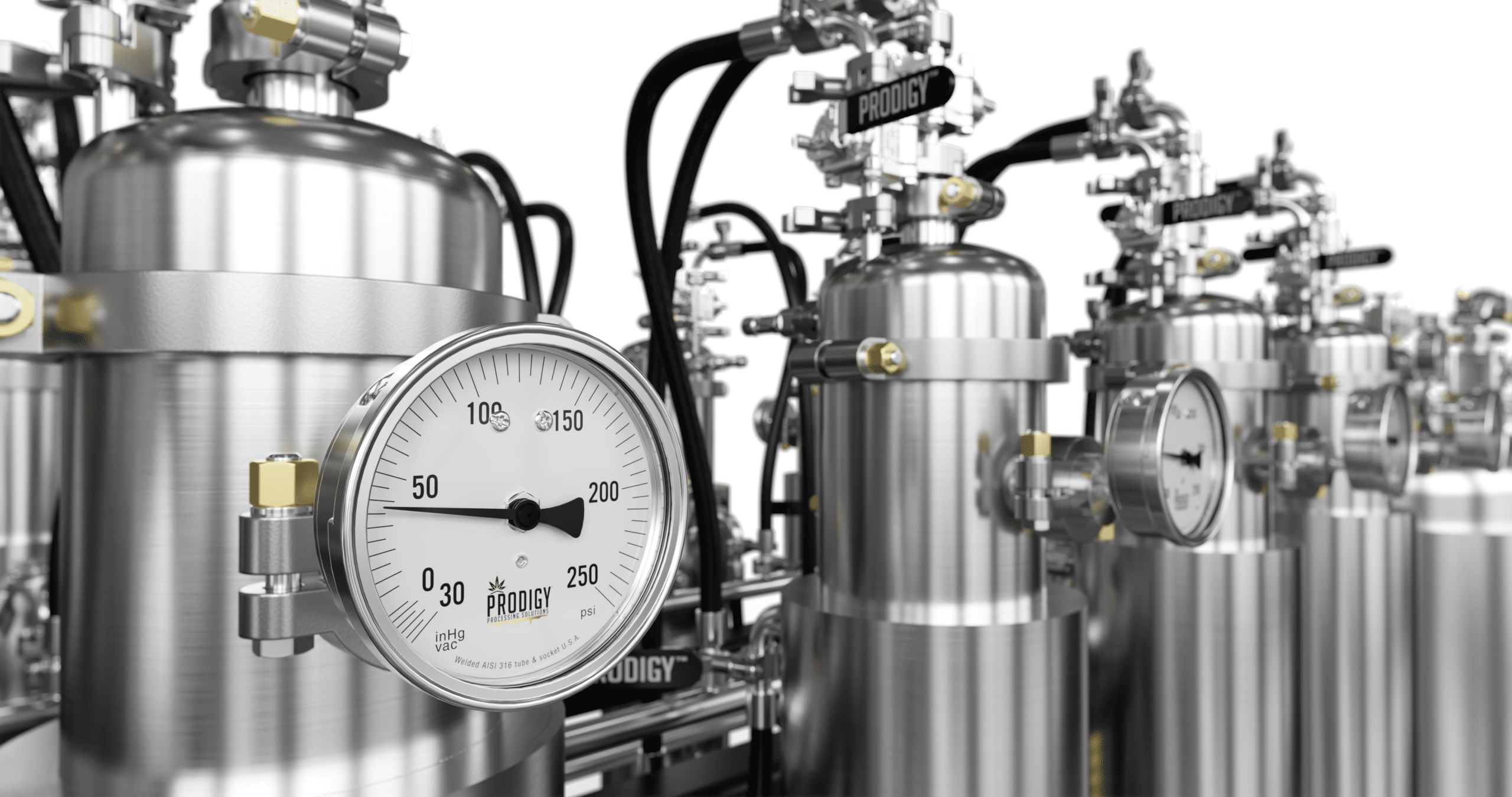
Pesticides are a persistent concern in cannabis processing, but they need not be a major obstacle when extraction systems are engineered for precision and purity from the start. Many traditional systems lack the temperature control and filtration integration required to minimize pesticide carryover. By contrast, Prodigy’s advanced extraction platforms are designed to significantly reduce those risks at the earliest stage of production.
Because Prodigy systems operate at deep cryogenic temperatures, they inherently limit the solubility of a wide range of unwanted compounds, including certain pesticide residues. Our sintered disk assemblies and integrated mixed-media filtration stacks provide additional protective barriers—capturing fine particulates, adsorbing pigments, and binding many classes of polar and semi-polar contaminants before they ever reach the collection vessel.
While no hydrocarbon system can claim complete pesticide removal, Prodigy’s multi-layered approach of ultra-cold extraction, controlled solvent flow, and real-time in-line filtration helps minimize the pesticide load early in the process, reducing the need for costly post-processing remediation. The result is a cleaner, lighter crude extract that more consistently meets regulatory standards and preserves the integrity of the plant’s natural profile.
In short, Prodigy systems don’t just react to contamination—they’re engineered to prevent it from the very start, combining cold extraction physics with intelligent filtration science to help processors stay ahead of compliance while maintaining efficiency and product quality.
Process Integration: Cold and Clean
The modern philosophy of cannabis extraction is to integrate deep cryogenic control with layered filtration. Cold solvent prevents bulk waxes, fats, and chlorophyll from entering the extract, while filtration intercepts fine particulates, residual pigments, and trace contaminants. Together, these yield lighter crude, less need for winterization, improved efficiency, and enhanced safety.
Looking Forward
As the cannabis industry matures, regulators and consumers alike are raising their expectations. Labs can no longer rely on brute-force post-processing to fix poor extracts. Efficiency and compliance demand a cleaner crude from the outset. Combining cryogenic extraction with in-line filtration brings cannabis closer to pharmaceutical-grade methods.
Cannabinoids: Active compounds like THC and CBD that interact with the human endocannabinoid system.
Terpenes: Volatile molecules responsible for aroma and flavor in cannabis.
Hydrocarbon solvents: Liquefied gases (butane/propane) used to extract cannabinoids and terpenes
Cryogenic extraction: Running solvents at ultra-cold temps (-60°C to -80°C) to suppress unwanted compounds.
Crude extract: The raw cannabis oil produced before refinement.
Winterization: Time consuming chilling process used to remove fats and waxes from crude.
Chlorophyll: Green pigment in plants; unwanted in extracts due to harsh taste and color.
Carotenoids/Anthocyanins: Orange/red/purple pigments that can discolor extracts.
Lipids/Waxes/Phospholipids: Plant fats that cloud oil and reduce clarity.
Oxidized compounds: Breakdown products of terpenes or cannabinoids that darken color.
In-line filtration: Filtration built into the extractor to polish oil in real-time.
Sintered disk: A fine metal filter that traps plant debris and ensures solvent flow.
Mixed-media / CRC: Filter columns packed with powders that adsorb pigments, lipids, and contaminants.
Adsorption: When molecules stick to a solid surface, used in CRC cleanup.
Pesticides: Agricultural chemicals that can co-extract into cannabis oil.
Remediation: Specialized methods to remove contaminants such as pesticides or heavy metals.
Chromatography: A separation technique used for purification, often in pesticide remediation.
Organoleptics: The sensory properties of a product: color, aroma, taste, and mouthfeel.
Crude Oil / Precursor Extract | Chemical Isolation, Separation, and Purification | Filtration / HTE (Terpene) Separation | Wiped Film Distillation | C1D1 and C1D2 Rooms | Clean Rooms | Freeze Dryers | Analytical Testing | Equipment Installation and Training | Turnkey Extraction Solutions from Plant to 99%+ Cannabinoid API
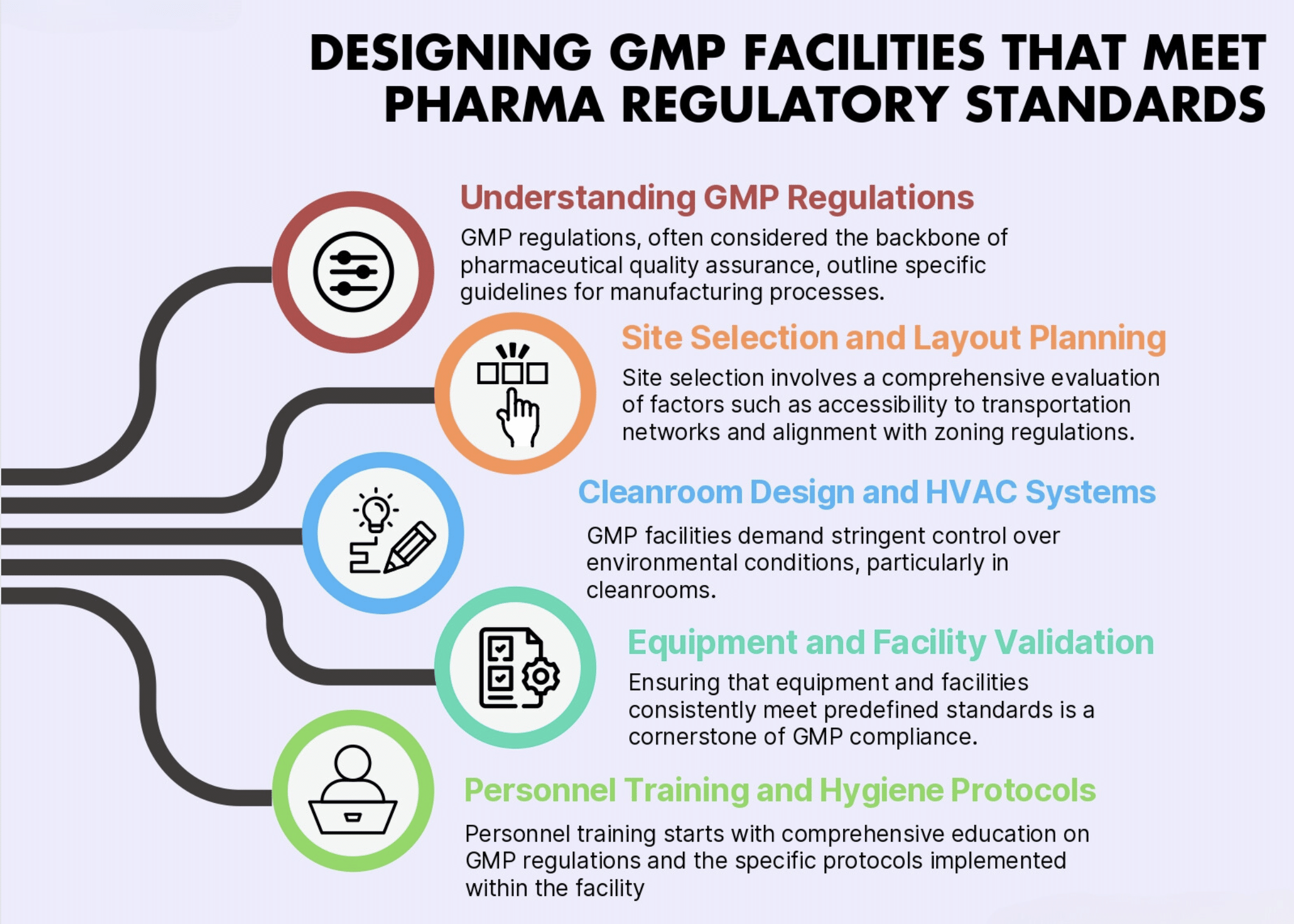
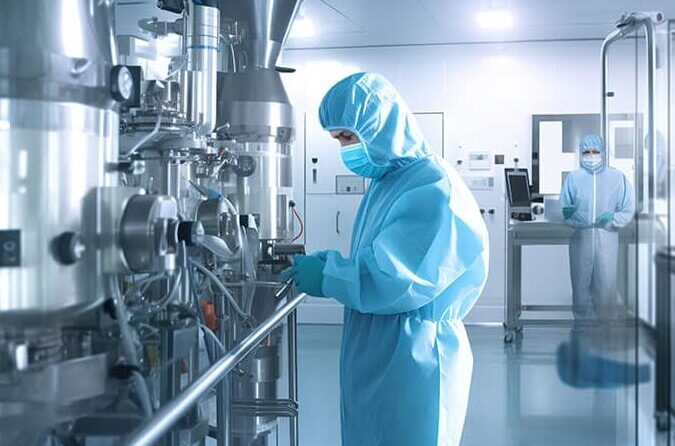
Full Design-Build Services for Cannabinoid Pharmaceutical Manufacturing Full Facility Design | GMP Compliant Lab Design | FDA cGMP | EU GMP | Worldwide GMP | Architectural Drawings | MEP Plans | Construction Documents | Construction Services
Basic Crude Extraction (cannabinoid precursors) | Distillate Production | Isolate Production | Cannabinoid APIs | Delta-9 THC (plant-based Dronabinol i.e., tetrahydrocannabinol) | CBD (cannabidiol) | CBDV (cannabidivarin) | THCV (tetrahydrocannabivarin) | CBN (cannabinol) | CBG (cannbigerol) | And more cannabinoid APIs of 99%+ purity
Legal & Regulatory | GMP Compliance | Standard Operating Procedures | Food, Dietary Supplements, and Pharmaceutical SOPs | Safety Protocols | Business / Revenue Opportunities | Maximizing Optimization, ROI and Profitability
World Class GMP Compliant Cannabis Extraction Technology

The Professional's Choice for Cannabis Extraction

The recent reinstatement of a 25% tariff on imported steel...
Read MoreWith increasing scrutiny on consumer safety of cannabis products coupled...

Read More