Ultra-Low Temperature Extraction: The Science Behind Higher Purity
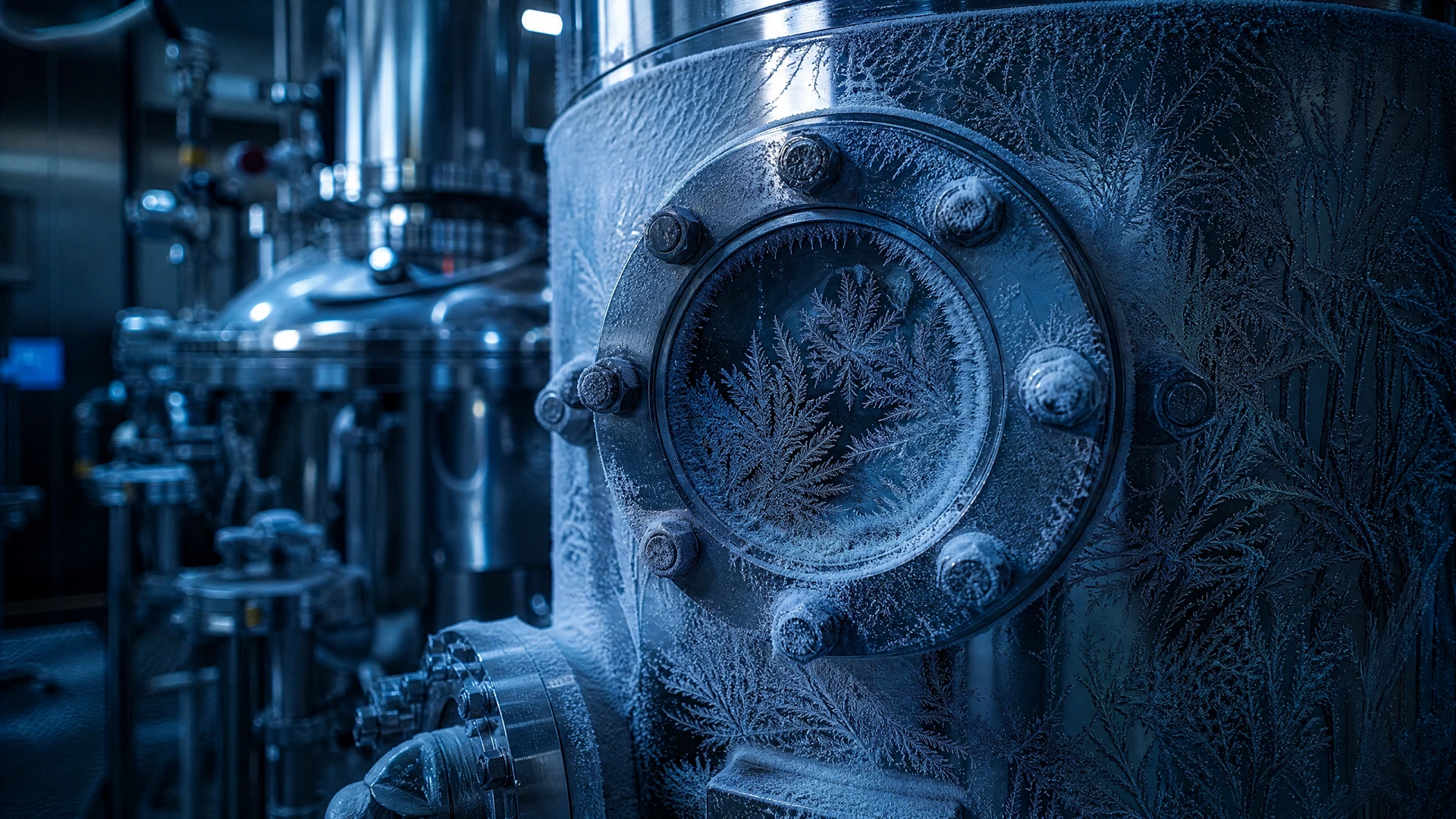
Why Ultra Low Temperatures Elevate Hydrocarbon Extraction to New Heights, -40°C Isn't Cold Enough
Achieving ultra-cold temperatures during cannabis extraction isn’t just about preserving the integrity of cannabinoids and terpenes—it’s also about enhancing operational efficiency and improving return on investment (ROI).
The prevailing rule of thumb is to extract at around -40°C, aiming to minimize thermal degradation and maintain the therapeutic properties of the extracts. While this temperature helps in reducing the loss of potency and preserving the delicate terpenes and cannabinoids that define high-quality extracts, it doesn’t fully optimize the extraction process.
Professional extraction operators now recognize that lowering the temperature below -80°C can significantly enhance product quality and contribute to optimized operations. Benefits include:
Preservation of Terpenes and Flavonoids
- ●Retention of Profile: One of the chief advantages of ultra low temperature extraction is the impeccable retention of terpenes and flavonoids. These compounds, responsible for the distinct aroma and flavor of cannabis strains, are delicate and can degrade under heat. Ultra low temperatures ensure their preservation, resulting in a product that’s true to the source plant’s profile.
- ●Enhanced User Experience: Preserves the integrity of temperature-sensitive compounds such as terpenes and cannabinoids. Ultra-cold temperatures prevent the degradation of these compounds, resulting in a higher quality extract with a full spectrum of active ingredients.
Improved Purity and Potency
- ●Reduced Chlorophyll and Lipid Uptake: Extraction at elevated temperatures can pull unwanted components like chlorophyll and lipids from the plant material. However, at ultra low temperatures, these components become less soluble, resulting in a cleaner, more refined end product.
- ●Preservation of Cannabinoids: Just like terpenes, cannabinoids can degrade when exposed to heat. Cold extraction techniques ensure that these compounds remain intact, leading to a product that’s both potent and consistent.
One-Step / In-Line Winterization
Winterization is the process of removing fats, waxes, and lipids from crude extract. Winterization requires additional steps involving mixing with ethanol and deep freezing, which are both time-consuming and resource-intensive.
By extracting at temperatures below -80°C, these unwanted compounds precipitate out directly during the extraction process, effectively combining extraction and winterization into one step. This streamlined approach significantly reduces processing time, enhances throughput, and cuts down on solvent use and associated costs, leading directly to improved ROI.
Here are the key advantages:
- ●Streamlined Process: Combines extraction and winterization into a single step, eliminating the need for post-extraction winterization. This integration simplifies the overall workflow, reducing the complexity of the extraction process.
- ●Time Savings: Significantly reduces the total processing time. Traditional winterization can take several hours to days as it requires mixing the extract with ethanol and freezing it to precipitate fats and waxes. By performing extraction at ultra-cold temperatures, these compounds coagulate and can be filtered out immediately, drastically cutting down on production time.
- ●Cost Efficiency: Decreases the use of consumables such as ethanol, which is typically used in large quantities during traditional winterization. Reducing solvent use not only lowers direct material costs but also reduces expenses related to solvent recovery and disposal.
- ●Increased Throughput: Enhances production efficiency by speeding up the extraction process and eliminating the bottleneck of separate winterization steps . This allows for a quicker turnaround on batches and increases the overall capacity of production operations.
Other Benefits of Ultra-Cold Extraction
- ●Reduced Risk of Contamination: Minimizes the exposure of the extract to external contaminants. Since the process does not require transferring between different vessels for winterization, there is a lower risk of contamination, leading to a purer product.
- ●Enhanced Safety: By eliminating the need to handle large volumes of flammable solvents like ethanol in the winterization process, the overall safety of the extraction operation is improved, reducing the risk of accidents and compliance with safety regulations.
- ●Flexibility in End Products: The ability to extract at ultra-low temperatures provides manufacturers with the flexibility to produce a diverse range of products, from shatter to live resin, all with distinctive textures, potencies, and flavor profiles.
These points highlight how ultra-cold extraction at temperatures below -80°C can significantly enhance the efficiency, safety, and quality of cannabis processing, making it a valuable technique for producers aiming to optimize their extraction operations while producing higher quality extract.
The ProX is the Coolest Cannabis Extraction System in the World
The ProX is PSI certified to operate at an industry record setting -184°C. While this temperature rating is impressively low, it is crucial to maintain operational safety and never approach the melting point of the solvent in use, such as butane, which solidifies at -138°C/-216°F. Because the ProX is engineered to operate cryogenic-cold, it can easily handle ultra-cold -80°C operational temperatures without breaking a sweat.
To learn more about the super cool ProX and PRODIGY’s other GMP compliant extraction equipment, click here .
KEY STAT: Operating at -80°C eliminates waxes and lipids from the extraction process, producing a crude oil that is 85–95% pure cannabinoids — compared to 55–70% from warm extraction methods.
Experience the Cold Truth Firsthand
Prodigy's ProX Extraction Systems deliver true cryogenic performance at -80°C, producing the cleanest crude in the industry. Combined with our inTEST Thermonics® chillers, you get precision temperature control without liquid nitrogen costs.